DM2 vs DM3 vs Schloss vs E1M2: Comparing QuakeWorld’s Big Four 4v4 Maps
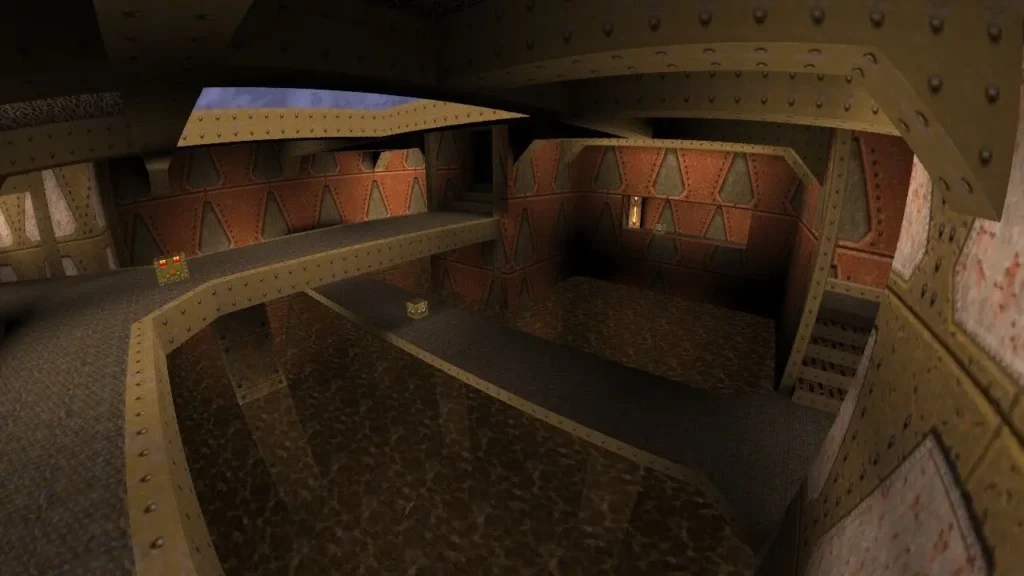
- DM2 leads all big-four maps with 6,136 tracked games.
- Quad control wins dm3 matches 80.7% of the time.
- Schloss quad-majority win rate drops to only 65.2%.
- E1m2 has zero red armor — plan around green, yellow, and mega.
- Each map rewards a fundamentally different team strength.
Ask a fours captain which item decides a map, and nearly every one says the same thing: Quad Damage. Hold quad, win map. That rule holds up hard on one map in QuakeWorld’s “big four” 4on4 pool and falls apart on another just down the rotation. Across tracked October 2026 data, quad-majority teams on dm3 win 80.7% of the time — on schloss that number drops to 65.2%. Same four-map pool, same item, two very different stories. This is a straight dm2 vs dm3 vs schloss vs e1m2 breakdown for players who already know these maps and want to know why they don’t play the same.
Why These Four Maps Define QuakeWorld 4on4
DM2, dm3, schloss, and e1m2 are the big four because the play volume says so, not because anyone voted on it. As of the October 2026 snapshot, these are the four most-played 4on4 maps on DeepFrag’s tracked servers, and by a wide margin over anything else in the pool.
Here’s how the four stack up by raw 4on4 game count:
| Map | 4on4 Games Tracked | Rotation Role |
|---|---|---|
| dm2 | 6,136 | Default / benchmark map |
| dm3 | 5,553 | Quad-discipline map |
| schloss | 4,910 | Map-control map |
| e1m2 | 3,691 | Armor-economy map |
This isn’t a beginner tour. If you’re reading this, you already know the pickup rhythm — a 4on4 is eight players and a 20-minute timelimit, and organized play runs best-of-3 out of a pool that leans hard on exactly these four maps. What follows is the tactical delta between them.
DM2 — The Benchmark Map Everyone Falls Back On
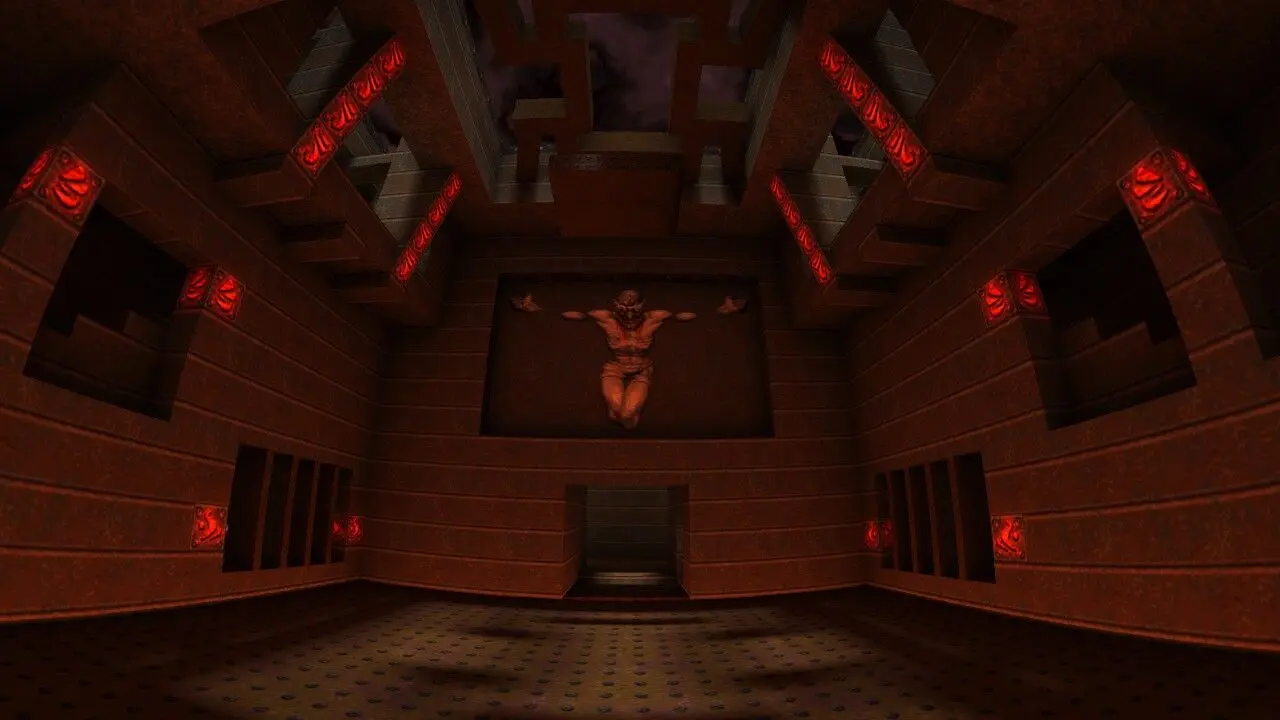
DM2 is the default because it’s the most-played fours map in the dataset, and everything about it rewards generalist map control rather than a specific read. There are no classes, no loadouts, no builds in QuakeWorld — everyone spawns equal and fights over the same resources: weapons, armors, mega health, and quad.
Map Control Over Anything Specialized
On dm2, control comes from contesting the same mid-map resources other maps also offer, just more frequently. Fights over weapons, armor stacks, and mega health happen early and often, and teams that lose the opening exchange tend to spend the rest of the map playing catch-up rather than resetting cleanly.
That constant contact is what makes dm2 the benchmark: it’s the map where generic 4on4 fundamentals — positioning, trading, calling targets — get tested the most times per match. Communication matters everywhere in fours, but on dm2 the volume of contested fights makes a clean callout system (voice in NA, text reports common in EU) the difference between winning trades and losing them blind.
DM3 Quad Control — Where Holding the Timer Wins Games
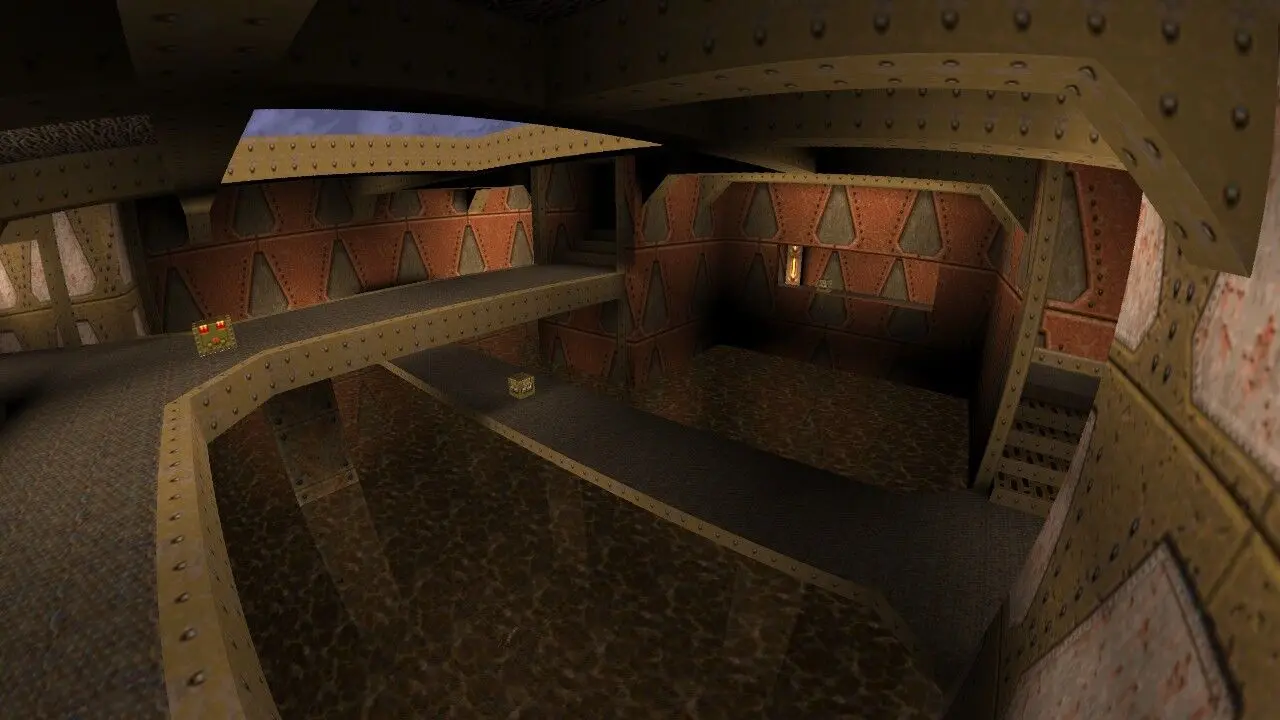
On dm3, teams that hold quad majority win the match 80.7% of the time, the highest quad-to-outcome link among the big four. That’s not a soft correlation. That’s close to four-in-five.
What an 80.7% Quad-Majority Win Rate Actually Means
It means that on dm3, consistently denying or holding quad isn’t one tool among several — it’s close to the tool. Teams that build their rotation around quad timers and spawn discipline are converting that advantage into map wins far more reliably here than on schloss, e1m2, or even dm2.
Practically, this changes what gets called out loud mid-map. A captain who treats every quad cycle on dm3 as a must-win fight is playing the odds correctly. The data backs the instinct that veteran dm3 players already had.
Why Captains Lean on DM3 in Best-of-3
This is also why calling dm3 in a league best-of-3 is rarely random. It’s often a deliberate pick from a team confident in its quad-control execution, because the map rewards exactly that discipline more than it rewards raw frag trading. If your team has drilled quad timing, dm3 is where that rep pays off hardest.
How Does Schloss Play Differently From DM3?
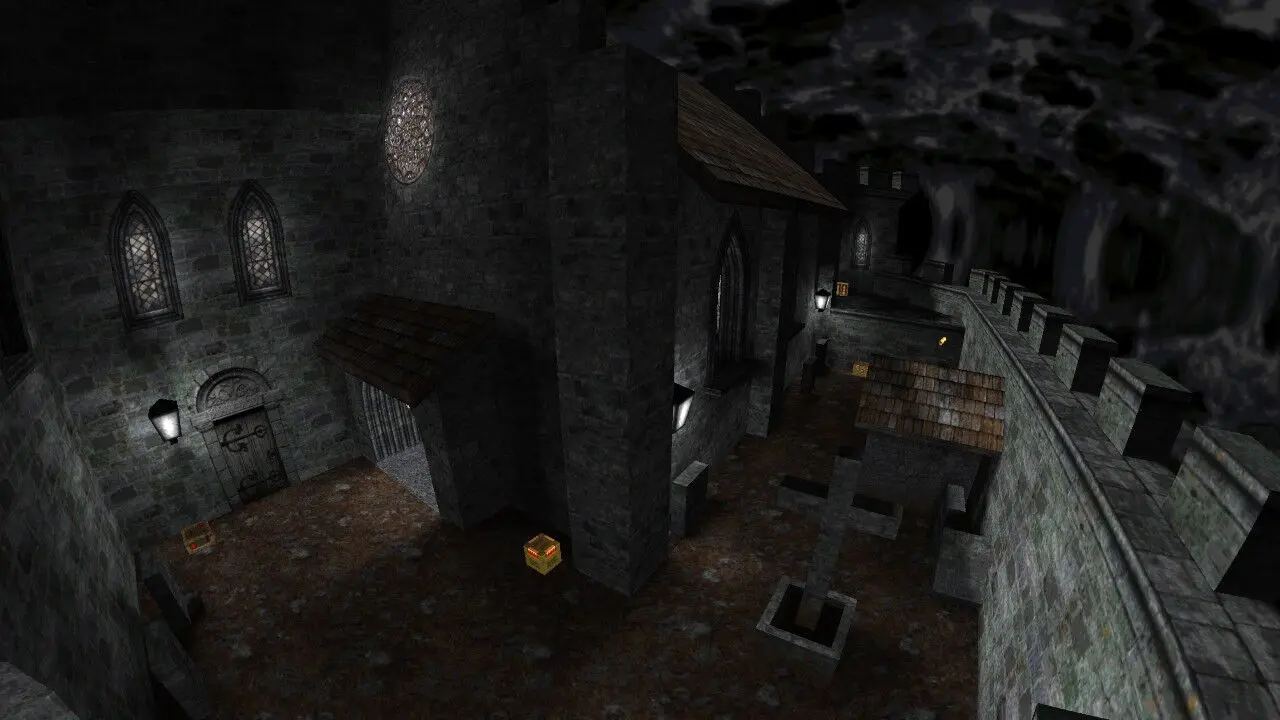
Schloss plays differently from dm3 because quad control barely predicts the winner — only 65.2% of quad-majority teams win the map, a sizable drop from dm3’s 80.7%. Same item, same four-map pool, a 15.5-point swing in how much it matters.
Why the Quad Timer Lies to You on Schloss
That gap means holding quad on schloss is far less of a guarantee than players coming from dm3 or dm2 tend to assume. A team can control the quad cycle cleanly and still lose the map, because schloss distributes its win conditions more broadly — armor control, positioning, and raw frag trades carry more of the weight here than the timer does.
We expected schloss’s number to track closer to dm3’s, given how often the two get mentioned in the same breath as fours staples. It didn’t. That’s the kind of gap that should change a captain’s priorities mid-match.
What This Means for Shot-Calling on Schloss
Don’t call quad on schloss with dm3 urgency. Treat it as one contested resource among several rather than the single swing factor, and weight general map control and armor fights more heavily in your rotation. For a deeper look at exactly how schloss’s item economy produces that unpredictability, DeepFrag’s breakdown of the schloss meta across 4,096 tracked games digs into which specific pickups actually drive frags-per-minute on the map. This is a verified, tracked pattern — not a vibe — and it’s exactly why schloss stays in the big four despite, or maybe because of, how unpredictable it plays.
E1M2 — The Map With No Red Armor
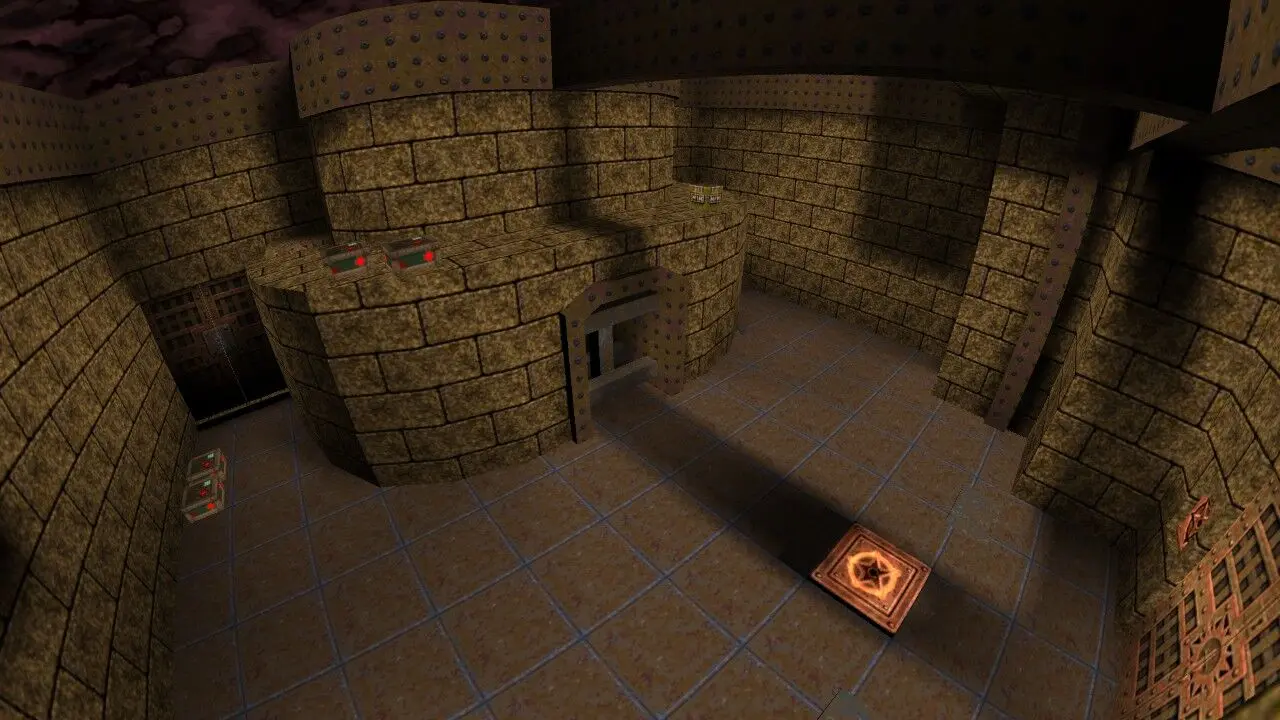
E1m2 has no red armor at all, anywhere on the map — a confirmed structural fact, not a rumor or a misremembered callout. If you’ve been mentally mapping e1m2 against dm2, dm3, and schloss as if it has the same armor options, that’s the detail to correct first.
How the Missing RA Reshapes Armor Economy
With no red armor to fight over, e1m2’s entire armor economy shifts onto green and yellow armor plus mega health. That’s a meaningfully different resource ladder than the other three big-four maps, where red armor fights typically anchor the map’s biggest control points and give the holding team a real durability edge for forward pushes.
On e1m2, forward aggression has to be funded differently. A team holding only yellow and green armor is working with a lower ceiling per picked-up item, so staying power comes more from positioning discipline and mega health timing than from a single dominant armor pickup.
Why This Changes Map Control Decisions
This is the kind of detail that gets lost word-of-mouth, and it matters tactically. If you walk into e1m2 expecting an RA fight to anchor your map control the way it does on dm2 or schloss, you’ll misallocate your team’s aggression. Plan around green, yellow, and mega instead — that’s the actual resource fight on this map.
Picking Maps for Pickups and Matches: A Quick Framework
Across the big four, volume runs dm2 highest, then dm3, then schloss, then e1m2 — and each map rewards a different team strength. Here’s the practical breakdown:
| Map | Red Armor Present | Quad’s Predictive Weight | Main Reward |
|---|---|---|---|
| dm2 | Yes | Moderate — contested throughout | Fundamentals and trade discipline |
| dm3 | Yes | High (80.7% quad-majority win rate) | Quad timer discipline |
| schloss | Yes | Lower (65.2% quad-majority win rate) | Broad map and armor control |
| e1m2 | No (confirmed) | Moderate — no RA to anchor control | Green/yellow/mega armor economy |
- Default to dm2 when you want a map that tests general fundamentals over any specific read.
- Call dm3 when your team has drilled quad timing and wants to lean on that discipline in a best-of-3.
- Call schloss when your team’s strength is broad map control rather than one item cycle.
- Prep e1m2 specifically for its missing red armor, so forward aggression gets funded off green, yellow, and mega instead.
These four maps show up constantly across organized best-of-3 series, so familiarity with all four isn’t optional for anyone playing competitive fours. You don’t need to min-max which map gets called to get a fair game, either — ratings exist precisely so pickups stay balanced regardless of which of the big four lands. If your pickups have ever felt lopsided regardless of map choice, DeepFrag’s captain-pick balance data from 5,240 tracked pickup games is worth a read before you blame the map.
Where to Play DM2, DM3, Schloss, and E1M2 Tonight
The fastest way to get into any of these four maps is DeepFrag’s own activity tracker, which shows live games across regions in real time. Check DeepFrag’s live server activity before deciding which of the big four to queue for — some nights lean dm2-heavy, others have a schloss pickup already filling.
If you’re not set up yet, the path in is nQuake running the ezQuake client on QuakeWorld servers — that’s the install, full stop. NA players commonly add unezQuake on top afterward for its antilag and prediction refinements at higher ping, installed straight into the same nQuake folder. DeepFrag’s setup walkthrough covers the install in detail if you’re coming back after time away.
Calling a 4on4 pickup needs eight total — one caller plus seven more — and that coordination mostly happens over regional Discords: NAQW in North America, with separate EU, OC, and SA channels elsewhere. Check current ratings and server activity before you decide which of the big four to call tonight.
The Desk’s Read: Stop Treating Quad as One Rule for Four Maps
If there’s one thing this comparison should kill, it’s the habit of applying one quad-control mental model across every map in the pool. Dm3 rewards it almost mathematically. Schloss punishes teams for over-trusting it. E1m2 removes an entire armor tier from the equation and nobody adjusts for that fast enough. Dm2 just asks you to be solid at everything, all the time.
The big four earned that status through volume, not hype — 6,136 dm2 games, 5,553 on dm3, 4,910 on schloss, 3,691 on e1m2, all tracked as of October 2026. Know which map you’re walking into before you build your shot-calling around a rule that only holds on one of them.